

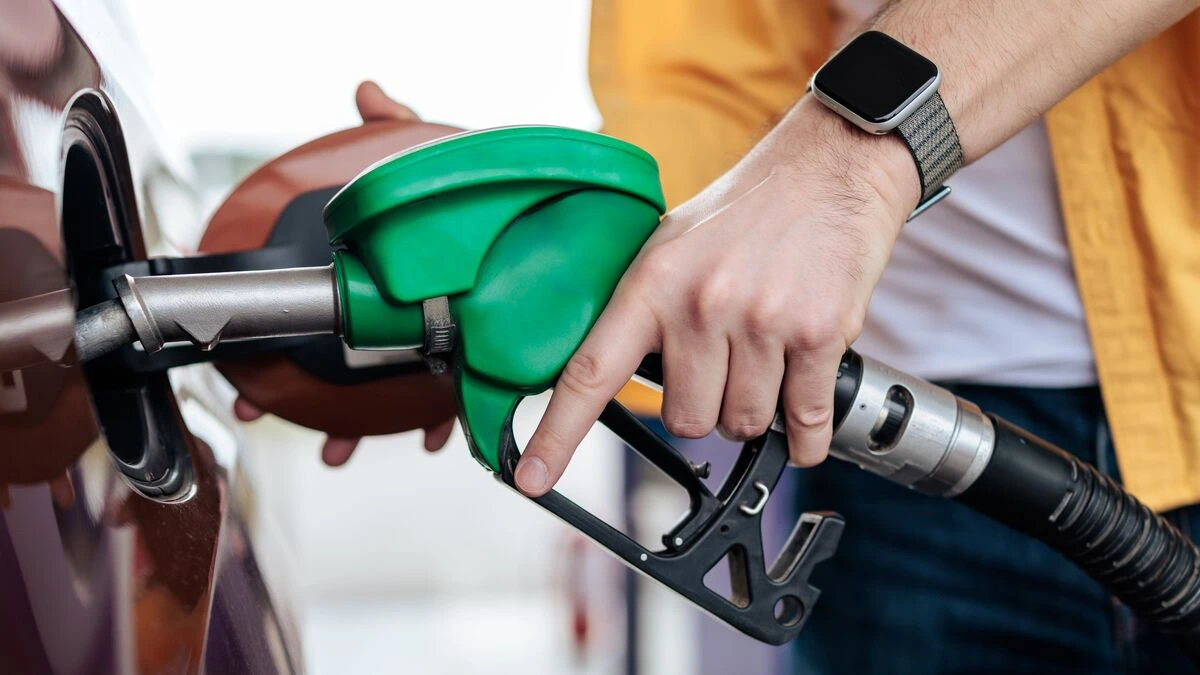
Fuel costs eat up close to 30 percent of a fleet’s whole budget. That is the biggest controllable cost most fleet owners deal with every month. One driver filling up the wrong way can blow your numbers out fast.
You need rules. Real ones, not vague ones. A clear policy backed by a star card style system does the heavy lifting here, because the card enforces what the paper policy only asks for nicely.
This is not about trust. It is about structure. Good drivers want rules too, because rules protect them from blame when something goes wrong.
Why Do Fleets Need Written Fuel Rules?
Because without them, nobody knows what “normal” spending looks like. A driver might think premium fuel is fine. Another might think snacks count as a fuel stop. Without a written policy, every driver makes their own call, and that is how budgets fall apart.
NSW crime data backs this up. Researchers discovered that with each 10-cent increase in petrol prices, there were approximately 120 more monthly service station fraud reports throughout the state. When fuel becomes very costly, people really start to cut corners.
Write the policy down. One page is enough. Cover what counts as fuel spend, what does not, and who approves anything extra.
What Should a Fuel Spending Policy Actually Cover?
It should answer five questions before a driver ever touches a pump.
- Which fuel type is allowed (diesel, unleaded, premium)
- A daily or weekly spending cap per vehicle
- Which stations are approved
- What happens if a driver needs an exception
- Who reviews the transaction report each week
Keep it short. A policy nobody reads is worse than no policy at all. Print it. Put it in the glovebox too.
How Do You Stop Fuel Fraud Before It Starts?
You stop it with visibility, not suspicion. The GoGet car-share scandal in Sydney is the case every fleet manager should know. Thieves broke into vehicles, grabbed the fuel cards from the glovebox, and racked up 80,000 dollars in fraudulent fuel buys before anyone noticed.
A rule only works if someone checks it.
| Control | What It Does |
|---|---|
| Daily spend cap | Stops one big fraudulent transaction |
| Approved station list | Blocks purchases outside your network |
| PIN or driver ID at pump | Ties every purchase to a person |
| Weekly transaction review | Catches patterns before they grow |
Set a cap per vehicle. Set a cap per week too. Two limits catch more problems than one.
Why a Good Fuel Card System Matters More Than the Rules Themselves
Written regulations are really only effective if the card itself enforces them. Getting the right card will allow you to establish individual driving limits, restrict transactions to fuel alone – and even generate a transaction report without having to collect receipts. That removes the guesswork. The card becomes the policy, not just a payment tool.
Pair the card controls with a short monthly check-in. Five minutes with the report, comparing spend against kilometres driven, tells you fast if something is off. Fuel theft rarely starts big. It starts small and grows because nobody looked.
Clear rules, a smart card, and a five minute weekly glance keep your fuel budget honest without turning you into a driver’s shadow.
