

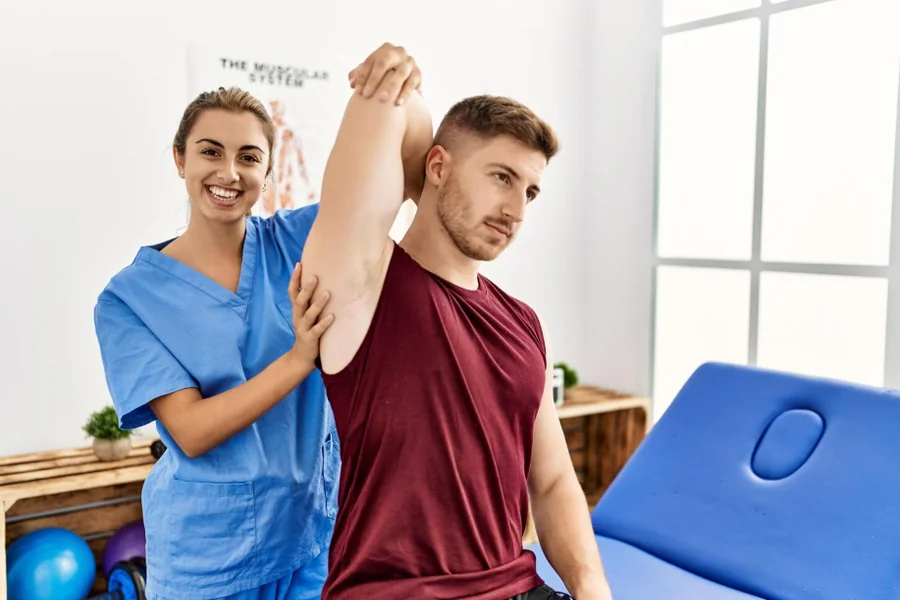
Physio rehab, or physiotherapy rehabilitation, focuses on restoring movement, strength, and function after injury, surgery, or long-term physical strain. It is used in hospitals, clinics, and outpatient settings to help people regain normal physical activity. Individuals recovering from injuries or mobility issues are encouraged to explore physio rehab programmes that support safer movement, pain management, and long-term physical recovery.
The approach is structured around recovery stages. Early sessions often focus on pain control and gentle movement. Later stages shift toward strength, balance, and functional mobility.
The main goal is not only recovery but also reducing the risk of re-injury through improved movement patterns.
Common Conditions Treated in Physio Rehab
Physio rehab is used across a wide range of conditions. Musculoskeletal injuries such as sprains, ligament tears, and muscle strains are among the most common.
Post-surgical recovery is another major area. Patients recovering from orthopaedic procedures often require guided rehabilitation to restore joint movement and strength.
Chronic conditions such as arthritis and back pain are also managed through physiotherapy. In these cases, the focus is on improving mobility and reducing pain over time.
Neurological conditions such as stroke may also require rehabilitation to help regain motor control and coordination.
Assessment and Initial Evaluation
Rehabilitation usually begins with a detailed assessment. This includes reviewing medical history, current symptoms, and physical limitations.
Movement tests are often performed to identify areas of weakness or restricted mobility. Posture and gait may also be evaluated depending on the condition.
This assessment helps shape a personalised rehabilitation plan that matches the individual’s recovery needs.
Pain Management and Early Recovery Phase
Early rehabilitation often focuses on reducing pain and inflammation. Gentle movements are introduced to prevent stiffness and maintain joint function.
Therapists may use manual therapy techniques to improve mobility and reduce muscle tension. Heat or cold therapy may also be applied depending on the condition.
The aim during this phase is controlled movement without overloading the affected area.
Strength and Mobility Training
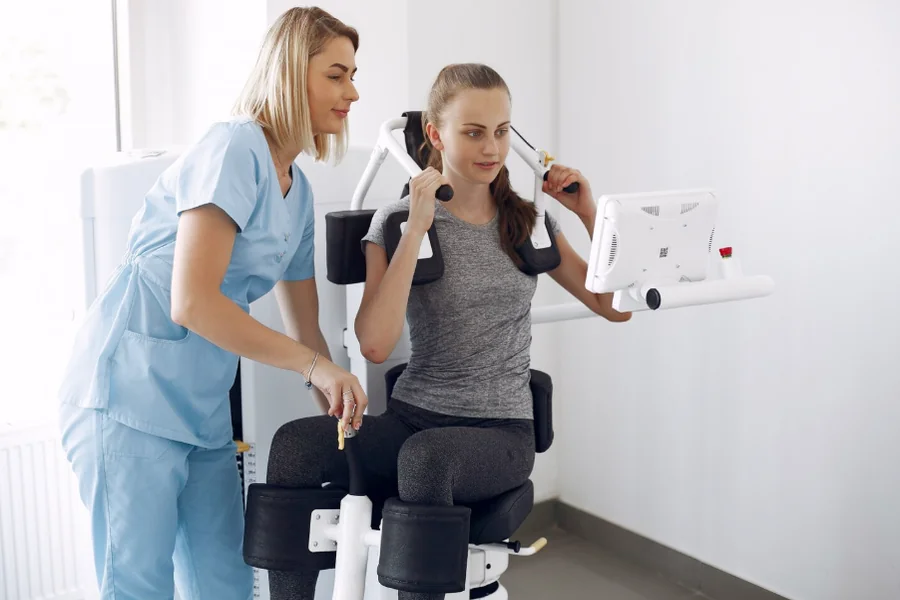
Once pain is reduced, rehabilitation moves into strengthening exercises. These exercises target muscles that support affected joints or injured areas.
Resistance training, bodyweight exercises, and controlled movements are commonly used. The intensity increases gradually based on progress.
Mobility exercises are also included to restore the full range of motion. This helps improve daily movement and reduce stiffness.
Balance and Functional Movement
Balance training becomes important, especially after lower limb injuries or neurological conditions. Exercises may involve standing stability, coordination drills, or controlled movement tasks.
Functional training focuses on real-life movements such as walking, climbing stairs, or lifting objects. This helps patients return to daily activities safely.
The goal is to ensure movement patterns are stable and efficient under normal conditions.
Role of Consistency in Recovery
Consistency plays a major role in physio rehab outcomes. Regular sessions combined with home exercises support steady progress.
Recovery speed varies depending on injury type, severity, and individual response. Some improvements are noticeable early, while others take longer to develop.
Skipping exercises or irregular attendance often slows down progress and affects long-term results.
Role of Education in Rehabilitation
Education is part of most physiotherapy programmes. Patients are taught how movement patterns affect recovery and how to avoid strain during daily activities.
Posture correction, lifting techniques, and movement awareness are often included in guidance sessions.
Understanding the cause of injury helps reduce the risk of repeating the same issue after recovery.
Use of Equipment and Technology
Rehabilitation may involve basic equipment such as resistance bands, weights, or stability balls. These tools help target specific muscle groups safely.
Some clinics use advanced equipment for gait training or muscle stimulation. These tools support recovery in more complex cases.
Technology is also used for progress tracking and movement analysis in certain rehabilitation programmes.
Long-Term Recovery and Prevention
Physio rehab does not end when pain decreases. Long-term recovery focuses on maintaining strength and preventing recurrence.
Patients often continue exercises at home even after formal sessions end. This helps maintain stability and joint health.
Lifestyle adjustments, including posture awareness and regular physical activity, support long-term outcomes.
Overall Role of Physio Rehab
Physio rehab supports recovery by improving movement, reducing pain, and restoring function. It follows a structured process that adapts to each stage of healing.
The approach focuses on gradual progress rather than immediate results. Over time, it helps individuals return to normal activity with better physical control and reduced injury risk.
FAQs
What is physio rehab used for?
It is used to help recover movement, strength, and function after injury, surgery, or physical conditions affecting mobility.
How long does physio rehab take?
Duration depends on the condition and severity, with some cases requiring weeks and others several months.
Does physio rehab reduce pain?
Yes, it helps manage pain through controlled movement, therapy techniques, and strengthening exercises.
Can physio rehab prevent future injuries?
Yes, it improves movement patterns and strength, which helps reduce the risk of re-injury.
