

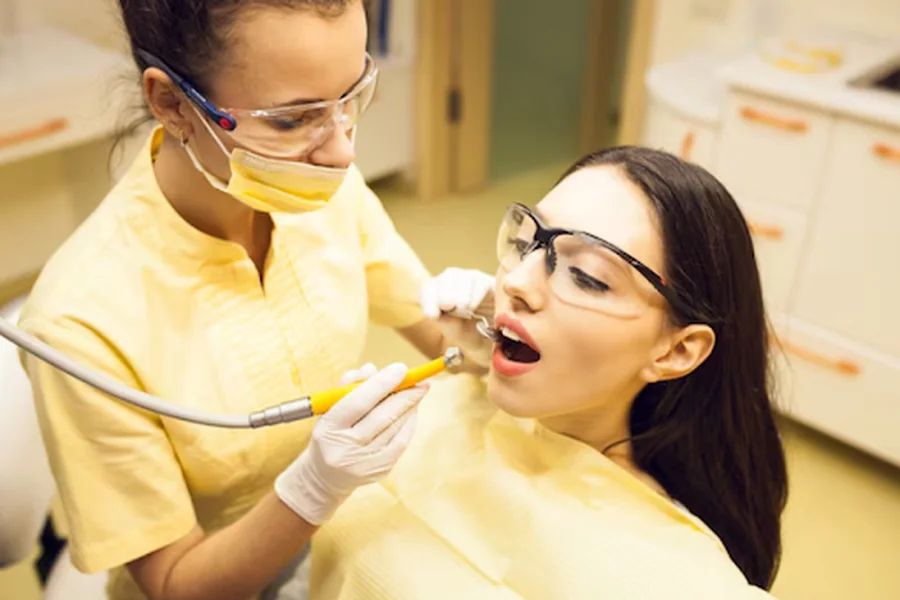
Dental health is a vital part of overall well-being, yet it is often only given attention when discomfort or visible issues arise. In Singapore, awareness of preventive oral care has grown steadily, reflecting a wider understanding of how oral hygiene is closely linked to general health. Many individuals now prioritise dental cleaning in Singapore at TWC Dental as part of a consistent approach to maintaining oral health and preventing future issues.
Among the most effective preventive measures is routine professional cleaning, which helps maintain healthy teeth and gums while reducing the risk of long-term dental complications.
Understanding Dental Cleaning
Dental cleaning, often referred to as scaling and polishing, is a professional procedure aimed at removing plaque, tartar, and surface stains from the teeth and along the gumline. While daily brushing and flossing are essential habits, they are not always sufficient to eliminate hardened deposits that accumulate over time. These deposits can harbour bacteria, which contribute to cavities, gum disease, and persistent bad breath.
A professional cleaning ensures that areas difficult to reach during routine oral care are properly addressed. In a fast-paced environment like Singapore, where dietary habits may include frequent consumption of sugary or acidic foods and beverages, regular cleaning becomes even more important in maintaining long-term oral stability.
The Procedure: How Dental Cleaning is Performed
A dental cleaning session typically begins with a careful examination of the mouth. The dentist or hygienist assesses the teeth and gums using a small mirror to identify areas of concern, such as inflammation, plaque accumulation, or early signs of decay. This initial step helps guide the rest of the procedure.
The next stage involves scaling, where specialised instruments are used to remove plaque and hardened tartar from the tooth surface and beneath the gumline. This step is particularly important because tartar cannot be removed through brushing alone. Its removal helps reduce irritation to the gums and prevents further bacterial growth.
Following scaling, the teeth are polished using a slightly abrasive paste. This process smooths the surface of the teeth, making it more difficult for plaque to accumulate in the future. It also helps remove surface stains caused by food, drinks, or smoking, resulting in a cleaner and brighter appearance.
In many cases, the session concludes with a fluoride application. Fluoride strengthens the enamel, providing added protection against decay and enhancing the teeth’s resistance to acid attacks from bacteria and food particles.
Frequency of Dental Cleaning
For most individuals, professional dental cleaning is recommended approximately once every six months. However, this frequency is not fixed and may vary depending on individual oral health conditions. People who are more prone to gum disease, have orthodontic appliances, or experience rapid tartar build-up may require more frequent visits.
Regular appointments allow dental professionals to monitor oral health over time, ensuring that any emerging issues are identified early and managed before they become more serious.
Benefits of Regular Dental Cleaning
The advantages of routine dental cleaning extend well beyond cosmetic improvements. One of the most significant benefits is the prevention of tooth decay. By removing plaque build-up, the bacteria responsible for producing harmful acids are significantly reduced.
Gum health also improves with regular cleaning. Gum disease often begins with mild inflammation but can progress to more serious conditions if left untreated. Professional cleaning helps prevent this progression by maintaining a healthier gum environment.
Another noticeable benefit is improved breath freshness. Persistent bad breath is often caused by bacterial accumulation in hard-to-reach areas of the mouth. Regular cleaning reduces these bacteria, leading to better oral freshness.
Aesthetic improvement is also a common outcome, as polishing removes surface stains and restores a cleaner appearance to the teeth. This often contributes to increased confidence in one’s smile.
Beyond oral health, research has suggested links between gum disease and broader systemic conditions such as cardiovascular issues. While dental cleaning is not a cure for such conditions, maintaining good oral hygiene may contribute positively to overall health.
Innovations in Dental Cleaning Techniques
Modern dentistry has seen significant advancements in cleaning techniques and equipment. Ultrasonic scaling devices, for example, use high-frequency vibrations combined with water flow to break down tartar more efficiently and with less discomfort compared to traditional manual methods.
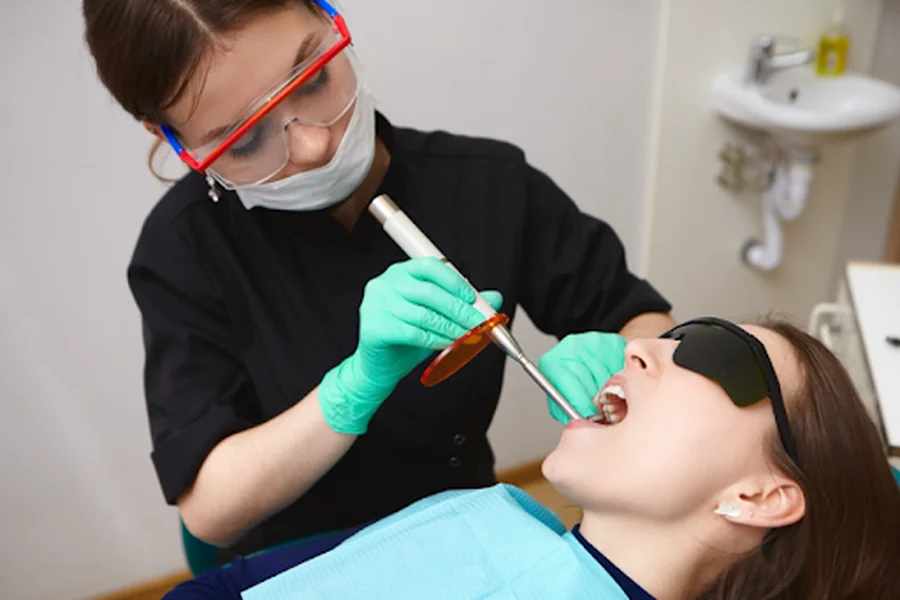
Air polishing is another innovation that has gained popularity. It uses a controlled stream of air, water, and fine powder to remove surface stains and plaque quickly and effectively. These advancements have made dental cleaning more comfortable, efficient, and accessible to a wider range of patients.
The Role of Dental Professionals
The effectiveness of dental cleaning depends greatly on the expertise of the dental professionals performing it. Dentists and hygienists undergo extensive training to understand oral anatomy, detect early signs of disease, and apply appropriate cleaning techniques safely.
Their role extends beyond the procedure itself. They also provide guidance on proper oral hygiene practices, tailored advice based on individual needs, and recommendations for maintaining results between visits. This personalised approach helps patients achieve better long-term oral health outcomes.
Addressing Common Concerns
It is not uncommon for individuals to feel anxious about dental visits. Concerns about discomfort or sensitivity during cleaning can discourage some from seeking regular care. However, modern dental techniques have significantly improved patient comfort.
Open communication with dental professionals can help ease anxiety. Adjustments such as taking short breaks during the procedure or using numbing agents when necessary can make the experience more comfortable. Over time, many patients find that regular visits reduce sensitivity and anxiety as their oral health improves.
The Importance of Preventive Oral Care in Singapore
In Singapore, preventive healthcare is strongly emphasised, and dental care is no exception. Regular dental cleaning plays a key role in this preventive approach by reducing the likelihood of complex and costly treatments in the future.
With busy lifestyles and varying dietary habits, maintaining consistent oral hygiene routines can be challenging. Professional cleaning acts as a supportive measure, ensuring that oral health is maintained even when daily care may fall short.
Conclusion
Dental cleaning remains one of the most fundamental and effective practices in maintaining oral health. It not only prevents common dental problems such as cavities and gum disease but also contributes to improved overall well-being. Through regular visits, professional care, and modern technological advancements, individuals can achieve and maintain healthier teeth and gums throughout their lives.
For those seeking professional services, options such as dental cleaning in Singapore at TWC Dental reflect the growing emphasis on preventive care and patient-focused treatment. Ultimately, maintaining regular dental cleaning habits is a simple yet powerful step towards long-term oral health and confidence.
