

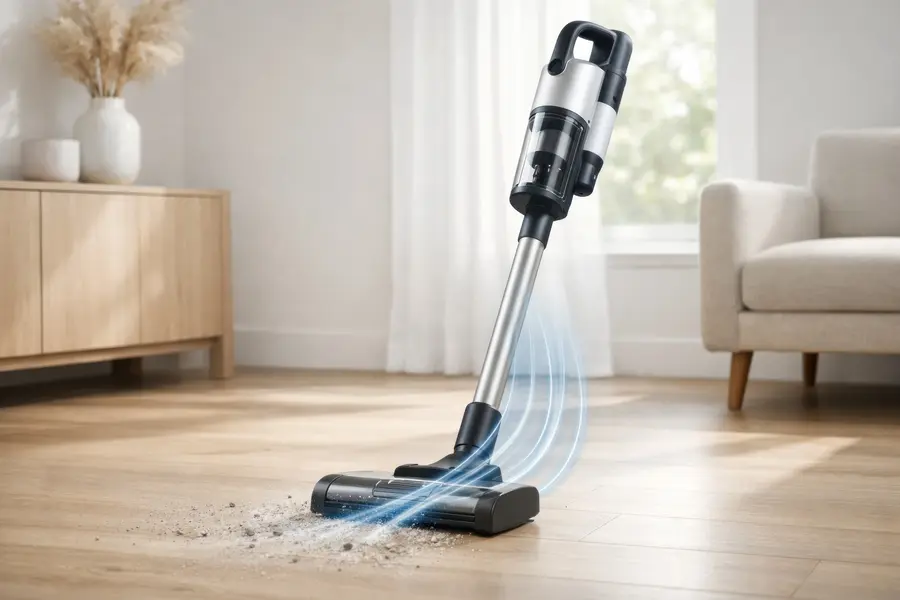
Household dust is more than a cosmetic nuisance. That fine gray film settling on shelves and furniture is actually a mixture of pollen, pet dander, dust-mite debris, fabric fibers, skin cells, and other indoor particles. Regular cleaning can meaningfully cut down exposure to these irritants and improve day-to-day comfort, but no routine will eliminate every allergen or airborne pollutant. Effective dust control really comes down to a combination of strategies: choosing the right cleaning tools, such as a vacuum suited to your flooring and furnishings, alongside damp dusting, regular laundering, and humidity management. Each piece plays its own role, and no single tool or product does the whole job on its own.
It helps to distinguish between settled dust, which accumulates on surfaces, and airborne particles, which stay suspended in the air and get breathed in continuously. Cleaning mostly targets the settled variety, while good ventilation and humidity control handle the airborne component. It’s worth keeping in mind that cleaning can’t fully prevent allergies, asthma, or illness—it simply reduces the overall burden of irritants in your living space.
How Dust Enters and Accumulates Indoors
Dust comes from many sources. Outdoor soil and pollen get tracked in on shoes and clothing, while indoors, skin flakes, hair, textile fibers, pet dander, and cooking residue continually add to the mix. Dust mites—microscopic creatures that feed on organic debris—leave behind waste particles that are a major allergen source, especially in bedding, carpets, and upholstered furniture.
Some spots collect dust faster simply because they’re cleaned less often: baseboards, window sills, shelf tops, the space under beds, and air vents or return grilles. Bedrooms tend to trap allergens in fabrics and bedding, while living rooms hold onto particles in rugs, curtains, and cushions. Entryways bring outdoor contaminants in directly, and rooms that are poorly ventilated or overly humid tend to feel dustier and give dust mites an easier environment to thrive in.
Before overhauling your routine, try a simple dust-mapping exercise: walk through your home and check surfaces at different heights, from ceiling fans down to floor corners, to pinpoint where dust builds up most consistently.
Use a Cleaning Order That Limits Resettling
Working from top to bottom allows particles dislodged from higher surfaces to be caught later when you get to the floors. Dry dusting, on the other hand, often just stirs particles into the air rather than removing them. Damp microfiber cloths and damp mops trap dust instead of scattering it. Here’s a simple comparison: wipe a dark tabletop with a dry duster, and you’ll typically see streaks of displaced dust; use a slightly damp cloth instead, and the same particles lift away cleanly.
A sensible routine looks something like this: declutter surfaces, dust elevated areas with a damp cloth, clean furniture and frequently touched spots, vacuum or clean floors and upholstery, damp-mop hard floors, and launder removable fabrics according to their care labels. Working through one room at a time, rather than jumping between spaces, also helps keep particles from spreading throughout the home.
Manage Carpets, Rugs, and Upholstered Furniture
Soft furnishings act as reservoirs for dust and allergens, so carpets, rugs, sofas, and fabric chairs all deserve regular attention. A vacuum with effective filtration may help reduce dust emissions during cleaning, though how well it performs depends heavily on maintenance, seals, airflow, and proper technique. Slow, overlapping passes tend to pull up more embedded debris than quick single passes, and high-traffic areas generally need more frequent attention than rooms that see occasional use.
Washing removable cushion covers and following care instructions for rugs further cuts down on accumulated allergens. It’s worth remembering that vacuuming alone won’t remove every dust mite or allergen—it works best paired with laundering and moisture control.
For allergy-sensitive households, it can help to step out of the room during and shortly after intensive cleaning, and to ventilate the space when possible. A suitable mask can ease irritation while cleaning, but it’s not a substitute for broader exposure-control measures. No single filter type or cleaning frequency works universally for every household.
Control Bedding, Fabrics, and Dust-Mite Conditions
Washing sheets, pillowcases, and blankets regularly according to their care instructions helps limit dust-mite allergens, and hot washing can reduce them further when the fabric allows it. Allergen-impermeable mattress and pillow encasements add an extra layer of protection for people with confirmed or suspected dust-mite sensitivity, though covers don’t replace regular laundering.
Dust mites thrive in humid conditions, so keeping an eye on indoor relative humidity with a simple hygrometer—and aiming for moderate levels rather than persistently damp air—can make a real difference. Practical steps include running ventilation during bathing and cooking, repairing leaks promptly, and using dehumidification where needed. That said, humidity control is a different matter from mold remediation; visible or extensive mold typically calls for specialized assessment and correction of the underlying moisture source.
Improve Airflow and Reduce Particle Entry
Removing shoes at the door, using doormats, and cleaning them regularly all help cut down on particle entry. Keeping windows closed during high pollen periods helps too, if pollen is a known trigger for your household. Maintaining heating and cooling filters per manufacturer instructions, and keeping vents unblocked, supports better airflow throughout the home. Indoor smoking and poorly ventilated combustion appliances generate unnecessary particles and are worth avoiding altogether.
Some issues go beyond what cleaning alone can fix: water leaks, pest infestations, persistent dampness, poor ventilation, smoke residue, or building-material contamination may call for professional evaluation—particularly when mold, unexplained odors, or ongoing respiratory symptoms are involved.
Build a Sustainable Dust-Reduction Schedule
A workable schedule beats an exhaustive one. Daily, address spills and entryway soil. Weekly, clean floors, upholstery, bedding, and frequently touched surfaces. Monthly, check filters and harder-to-reach areas. Seasonally, reassess entryway habits and inspect under furniture.
Key takeaway: consistent, targeted cleaning generally beats occasional deep cleans.
Common Dust-Control Mistakes to Avoid
- Dry-dusting surfaces, which leaves particles airborne
- Cleaning floors before tackling elevated surfaces
- Neglecting bedding, upholstery, and curtains
- Replacing filters without checking equipment requirements
- Assuming a filtration label guarantees identical performance everywhere
- Overusing fragranced sprays when simpler methods would do
- Treating visible mold as an ordinary dust problem
A Practical, Evidence-Based Home Routine
Pulling these recommendations together: identify where dust accumulates, reduce clutter and outdoor particle entry, clean high surfaces with damp methods, tackle floors and upholstery, launder fabrics, monitor humidity, and keep ventilation systems maintained. A household with carpeting, pets, and a sensitive occupant might prioritize entryway cleaning, upholstery care, and humidity monitoring over simply vacuuming the floors more often.
Keep the Routine Targeted and Sustainable
Reducing household dust means managing sources, surfaces, moisture, and airflow together. Damp dusting, fabric laundering, appropriate floor care, and humidity control all work in tandem. No routine removes every airborne contaminant, and persistent health concerns deserve professional medical advice. Start by identifying the two or three spots where dust builds up fastest, make manageable changes there, and reassess once the routine becomes second nature.
