

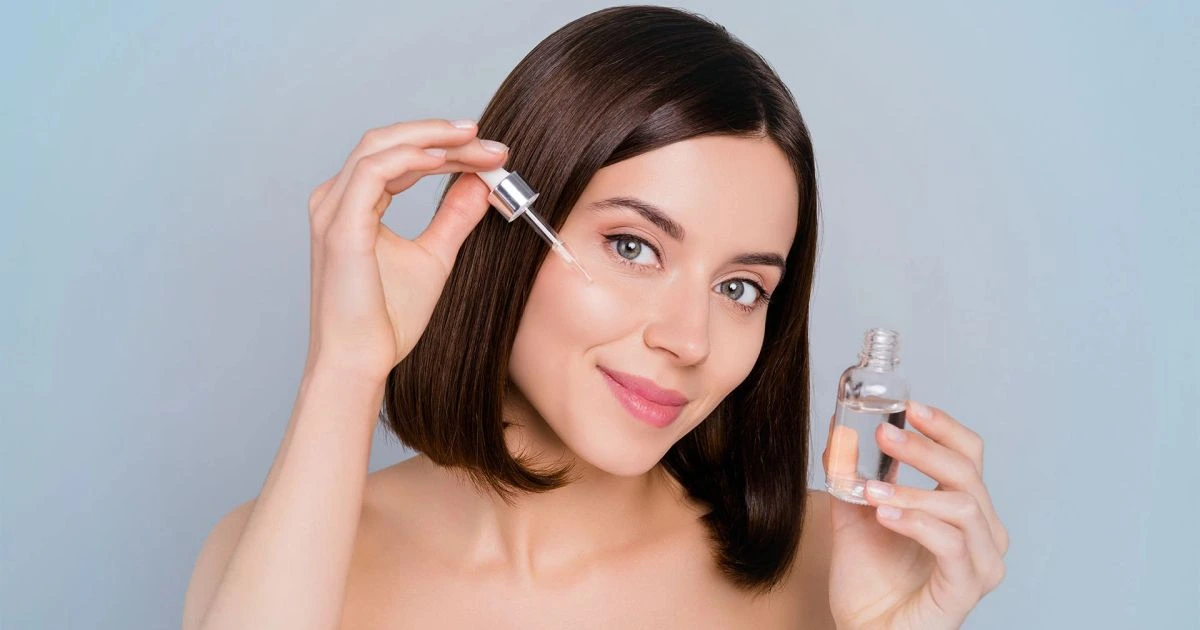
The most common reason an anti aging serum fails to produce the results it should is not that the serum is wrong for the skin. It is that the serum is being used incorrectly or in a context that undermines its effectiveness. These eight mistakes are the ones worth avoiding before drawing conclusions about whether a serum is working.
1. Skipping the Patch Test and Going Straight to Full Application
New active ingredients, particularly retinol, vitamin C, and AHAs, can cause initial irritation in skin that is not yet adapted to them. Starting with full-face application at full frequency before establishing tolerance is the most common way to experience the redness, peeling, and sensitivity that makes people abandon effective ingredients before giving them a chance to work.
A patch test behind the ear or on the inner arm for forty-eight hours, followed by gradual introduction starting with two to three times per week before moving to daily use, dramatically reduces the likelihood of a negative reaction.
2. Applying Serum in the Wrong Order
In a layered skincare routine, application order affects how much of each product actually reaches the skin. The general principle is thinnest to thickest, with serums applied to clean skin before moisturizer. Applying serum on top of a thick moisturizer significantly reduces its penetration because the moisturizer creates a physical barrier.
Cleanse, tone if using, apply serum to slightly damp skin, follow with moisturizer and then SPF in the morning is the sequence that maximizes serum penetration.
3. What Skincare Routine Works Best for Aging Skin?
The most effective routine for aging skin combines prevention and correction. In the morning, a vitamin C serum applied to clean skin, followed by a moisturizer and broad-spectrum SPF, addresses both the oxidative damage from UV exposure and the protective needs of the skin barrier. In the evening, Clarins’ anti aging face serum applied to clean skin followed by a richer moisturizer addresses the reparative work that skin does during the overnight recovery period.
The addition of a retinol serum two to three evenings per week, introduced gradually, addresses cellular turnover and collagen stimulation for longer-term structural improvement.
4. Expecting Results Too Quickly
Most anti aging ingredients with genuine efficacy work through mechanisms that take weeks to months to produce visible results. Retinol increases cellular turnover over a six to twelve week period. Peptides stimulate collagen production that accumulates gradually. Vitamin C addresses uneven tone over several weeks of consistent use.
Abandoning a serum after two or three weeks because the results are not yet visible is the most common way to miss the results that would have appeared at week eight.
5. Using Incompatible Ingredients Together
Some ingredient combinations reduce each other’s efficacy or increase the risk of irritation. Retinol and AHAs used simultaneously increase the risk of significant irritation because both accelerate cellular turnover. Alternating potent actives, using retinol on some evenings and AHAs on others, allows the benefits of both without the compounded irritation risk.
6. Not Adjusting for the Season
Skin’s needs change with the seasons, and a routine optimized for humid summer conditions may be insufficient for a dry winter environment. Keeping the active serum consistent across seasons while adjusting the moisturizer is a practical approach to maintaining efficacy year-round.
7. Applying SPF as an Afterthought
Retinol increases photosensitivity, making daily SPF application not just advisable but essential when using retinol in the routine. More broadly, any anti aging investment in serums and treatments is partially undermined by continued UV exposure without protection, because UV is the primary driver of collagen degradation and skin aging.
SPF 30 minimum, applied as the final step of the morning routine, on every day that skin will be exposed to daylight, is the non-negotiable complement to any anti aging serum routine.
8. Using Too Many Active Ingredients at Once
The instinct to combine as many proven ingredients as possible in the hope of maximizing results often produces the opposite effect. Multiple active ingredients competing for the same cellular mechanisms, or simply creating more irritation than the skin barrier can manage, produces less effective and sometimes counterproductive results.
A focused routine with two or three well-chosen actives used consistently produces better results than an elaborate routine of seven or eight actives that cannot all be used effectively together.
