

Fire safety is about much more than having a fire extinguisher somewhere in the building. For offices, commercial properties, industrial facilities and other workplaces, effective fire and life safety involves planning, prevention, protection and making sure people know what to do when an emergency happens.
This is where a fire and life safety consultant can play an important role. Instead of looking at fire protection as a single task, a consultant can help businesses understand how different safety measures work together. Engaging a fire and life safety consultant in Singapore can help organisations assess potential hazards, review safety requirements, and develop coordinated strategies to protect occupants and property. This may include reviewing fire risks, developing emergency procedures, coordinating fire protection systems and helping organisations prepare for potential emergencies.
What Does a Fire and Life Safety Consultant Do?
A fire and life safety consultant provides specialist advice relating to the protection of people, buildings and business operations from fire and other emergencies. Their work can vary depending on the type of property, its occupancy, existing systems and the specific needs of the organisation.
One of the first areas a consultant may examine is the building itself. This can include the layout, access and exit routes, fire protection equipment, alarm arrangements and other features that may affect how people respond during an emergency.
Understanding Fire Risks Before an Emergency Happens
One of the most valuable parts of fire and life safety planning is identifying potential risks before an incident occurs.
Different workplaces can have very different hazards. An office may have risks associated with electrical equipment, kitchens or storage areas, while an industrial facility may have additional considerations involving machinery, materials, production processes or specialised equipment.
A consultant can assess the environment and consider where fires could potentially start, how they might spread and how occupants could be affected. This type of assessment can help businesses understand where existing controls may need attention.
The process is not simply about finding problems. It is also about understanding the practical steps that can reduce risk and improve preparedness.
Developing Practical Evacuation Plans
An evacuation plan is one of the most important parts of a building’s emergency arrangements. During a fire, people may have very little time to make decisions, which is why clear procedures can be valuable.
A fire and life safety consultant can help businesses review how occupants would leave the building during an emergency. This can involve considering available exit routes, emergency access, assembly arrangements and the needs of people who may require additional assistance.
Evacuation planning should also take into account how the building is actually used. A plan designed for a relatively small office may not be suitable for a large commercial or industrial facility.
Changes to a building can also affect evacuation arrangements. Renovations, changes in room layouts, new equipment or changes in occupancy may create a need to review existing plans. Keeping emergency documentation aligned with the actual building is therefore important.
Reviewing Fire Protection Systems
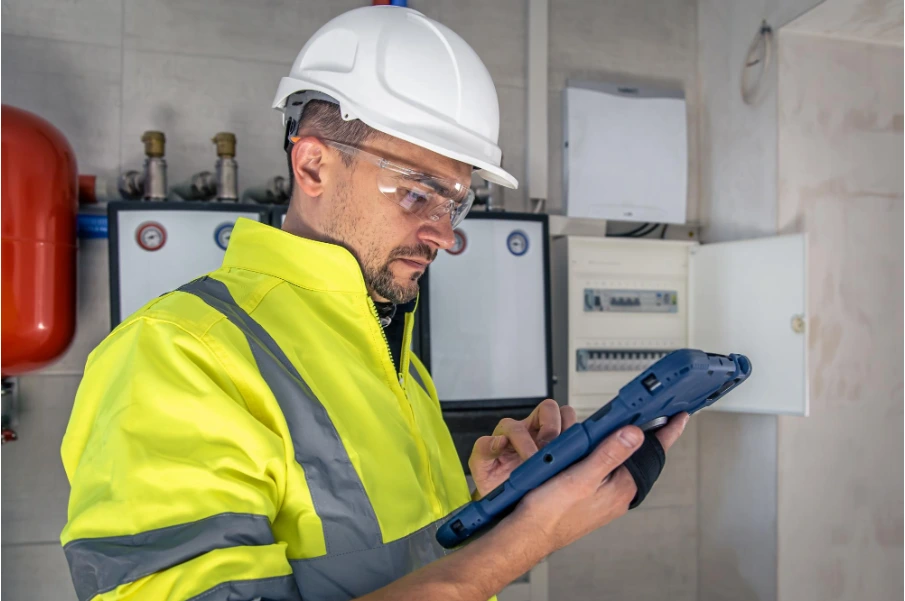
Modern buildings can rely on a range of fire protection and life safety systems. Depending on the property, these may include fire detection and alarm systems, emergency lighting, fire extinguishing equipment, smoke control measures and other protective features.
A consultant can help businesses understand the purpose of these systems and how they contribute to the wider fire safety strategy.
This does not necessarily mean replacing equipment whenever an issue is identified. Sometimes the problem may be related to maintenance, positioning, accessibility, documentation or coordination between different systems.
Professional review can help identify areas that require further investigation and ensure that fire protection considerations are included when buildings are upgraded or modified.
Supporting Compliance and Documentation
Fire safety also involves documentation. Businesses may need to maintain records relating to inspections, maintenance, emergency procedures, training and other safety activities.
For property owners and facility managers, keeping this information organised can make it easier to demonstrate that safety measures are being managed properly.
A consultant can assist with reviewing documentation and identifying areas where information may be incomplete or outdated. They can also help coordinate with relevant professionals when specialist testing, inspection or maintenance is required.
It is important to remember that the exact requirements can depend on the building, its use and the applicable Singapore requirements. A qualified consultant can help businesses determine which requirements are relevant rather than relying on generic advice.
Fire Safety During Building Changes
Fire and life safety should not only be considered after a building is completed. It can also be important during renovations, fit-outs and changes in how a property is used.
Moving walls, changing room layouts, adding equipment or altering the use of a space can affect existing safety arrangements. Even changes that appear relatively minor may influence evacuation routes or the placement and effectiveness of fire protection systems.
Consulting a fire and life safety professional early in a project can help identify these considerations before work is completed. This can reduce the risk of discovering safety or compliance issues at a later stage.
For businesses carrying out larger projects, coordination between architects, engineers, contractors, facility managers and safety specialists can also help ensure that fire safety is considered throughout the project rather than treated as an afterthought.
Preparing Employees for Emergencies
Having the right systems in place is only one part of emergency preparedness. People also need to understand how to respond.
Employees should know what their organisation’s emergency procedures require of them. Depending on the workplace, this may include understanding alarm procedures, evacuation routes, assembly arrangements and how to report an emergency.
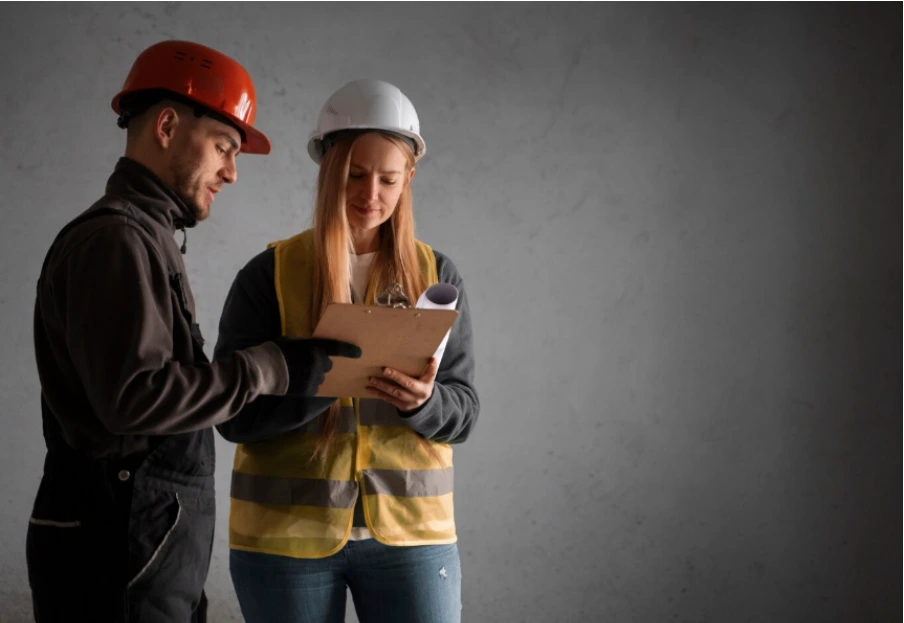
Fire safety training can help turn written procedures into practical knowledge. Drills can also provide an opportunity to identify issues that may not be obvious when looking at a plan on paper.
For example, an evacuation route may look suitable on a floor plan but become difficult to use when a large number of people attempt to leave at the same time. A drill can reveal these practical challenges and allow the organisation to review its procedures.
The Importance of Regular Review
Fire safety is not something that should be reviewed once and then forgotten. Buildings change, businesses grow, and the way people use a space can evolve.
New equipment may be installed, departments may move, storage arrangements may change, or additional employees may join the organisation. Each of these changes can potentially affect the existing safety strategy.
Regular reviews can help businesses determine whether their fire and life safety arrangements still reflect the actual conditions of the property.
Maintenance is equally important. Fire protection equipment and systems need appropriate inspection and servicing so that they remain ready when required. A consultant can help businesses understand what needs to be reviewed and coordinate with the appropriate specialists where necessary.
Why Professional Fire Safety Planning Matters
Fire emergencies are unpredictable, but preparation does not have to be. A well-considered fire and life safety strategy can help organisations identify risks, improve emergency procedures and maintain appropriate protection measures.
The role of a consultant goes beyond simply recommending fire equipment. It can involve looking at the building, its occupants, emergency procedures, protection systems, documentation and ongoing changes as parts of one broader safety strategy.
For businesses in Singapore, professional guidance can also make it easier to understand which requirements apply to a particular property and when specialist input is needed.
Conclusion
From evacuation planning and risk assessment to fire protection systems and employee preparedness, fire and life safety involves many connected areas. Focusing on just one part of the process may leave important gaps elsewhere.
A fire and life safety consultant can help businesses take a more structured approach by reviewing existing arrangements, identifying potential risks and providing practical recommendations suited to the property. Regular reviews are particularly important as buildings, businesses and working environments change.
Ultimately, effective fire safety is about protecting people first while also helping organisations prepare for emergencies practically and responsibly.
