

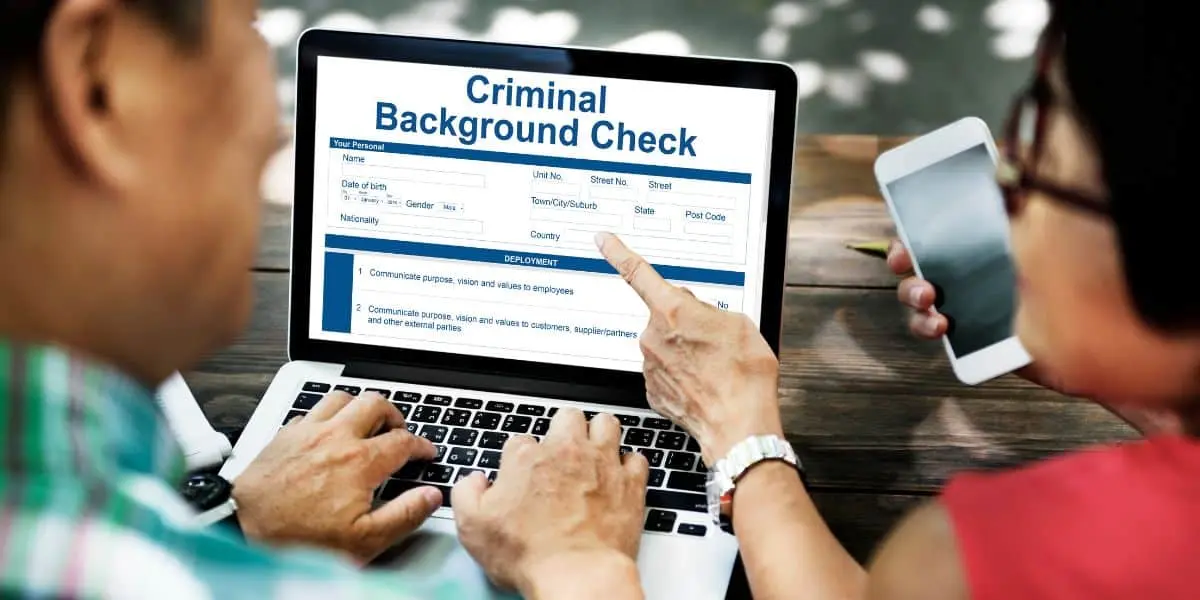
A criminal background check is a screening process used to verify whether a person has any criminal history or legal records. It is commonly used by employers, landlords, government agencies, and organizations to make informed decisions about hiring, renting, licensing, or granting access to sensitive roles.
In today’s world, where safety and trust are important in professional and personal environments, background checks have become a standard procedure. They help reduce risk and ensure that individuals in certain positions meet required standards of conduct.
Understanding how this process works, what it includes, and what rights individuals have is important for both applicants and organizations.
What Is a Criminal Background Check and Why It Matters
A criminal background check is a review of official records to identify any past criminal activity associated with a person.
These checks may include arrests, convictions, pending cases, or court judgments depending on the level of screening required.
Employers often use background checks during hiring to ensure workplace safety and protect company reputation.
Landlords may use them to assess whether a potential tenant poses any risk to property or other residents.
Government agencies and licensing bodies may also require background checks for jobs involving security, finance, healthcare, or vulnerable populations.
The importance of background checks lies in risk management and informed decision-making rather than discrimination.
Types of Criminal Background Checks
There are different types of criminal background checks depending on depth and purpose.
A basic background check usually includes national or local criminal records.
An enhanced background check may include fingerprint verification, federal records, and international database searches.
Employment-specific checks are tailored to job requirements and may include education and employment history along with criminal records.
Some industries require ongoing or periodic background checks to ensure continued compliance with regulations.
Each type varies in scope, cost, and processing time.
How a Criminal Background Check Works
The process of a criminal background check typically begins with collecting personal information such as full name, date of birth, and identification details.
The screening provider then searches multiple databases, including court records, law enforcement databases, and public records.
In some cases, fingerprint scanning is used to ensure accurate identification.
The results are compiled into a report that shows any relevant criminal history or confirms a clean record.
Employers or requesting organizations review this report to make final decisions based on their policies. Reviewing an employee background check criminal history report helps employers evaluate relevant criminal records while supporting informed, fair, and compliant hiring decisions.
The process may take anywhere from a few minutes to several days depending on the depth of the check.
Where Criminal Background Check Information Comes From
Criminal background checks rely on multiple official sources to ensure accuracy.
Local court records provide information about offenses and legal proceedings within specific jurisdictions.
National databases collect data from multiple regions to offer broader coverage.
Law enforcement agencies may also contribute arrest and conviction records.
In some cases, correctional facility records are included to show incarceration history.
Public records such as sex offender registries are also commonly checked depending on legal requirements.
The accuracy of a background check depends on how frequently these sources are updated.
Legal Rules and Rights in Background Checks
Criminal background checks are regulated by laws to protect individual privacy and prevent misuse of information.
In many countries, individuals must provide consent before a background check is conducted.
There are also rules about how long certain records can be reported, especially for minor or old offenses.
Applicants often have the right to review and dispute incorrect information in their reports.
Employers are usually required to follow fair hiring practices and cannot make decisions solely based on outdated or irrelevant records.
These legal protections help balance safety concerns with individual rights.
Common Uses of Criminal Background Checks
Criminal background checks are used in many areas beyond employment.
Schools and childcare institutions use them to ensure student safety.
Financial institutions use them to assess trustworthiness for handling money or sensitive data.
Immigration authorities may require background checks for visa or residency applications.
Volunteer organizations often screen individuals working with vulnerable groups.
Even online platforms and gig economy companies may use simplified checks for safety verification.
These uses highlight how widely background checks are integrated into modern systems.
Challenges and Limitations of Criminal Background Checks
Despite their usefulness, criminal background checks have certain limitations.
Incomplete or outdated records can lead to inaccurate results.
Differences in legal systems between regions may affect data consistency.
Some records may not be properly updated or may contain errors.
Background checks may also raise privacy concerns if data is not handled securely.
In some cases, minor offenses may unfairly impact opportunities even if they are not relevant to the current role.
Because of these challenges, careful interpretation of results is necessary.
Final Thought
A criminal background check plays an important role in maintaining safety, trust, and accountability in many areas of society. It helps organizations make informed decisions while also protecting public and workplace environments.
However, it is equally important to balance security with fairness and privacy rights. Understanding how background checks work and what they include allows both individuals and organizations to use them responsibly and effectively.
FAQs
What is a criminal background check?
A criminal background check is a process used to review a person’s criminal history using official records.
Who uses criminal background checks?
Employers, landlords, government agencies, schools, and financial institutions commonly use them.
How long does a background check take?
It can take from a few minutes to several days depending on the type and depth of the check.
Do I need permission for a background check?
Yes, in most cases consent is required before conducting a background check.
Can I see my own background check?
Yes, individuals can request copies of their own background check reports in many regions.
Can old records affect background checks?
Yes, but many systems have rules limiting how long certain records can be reported.
