

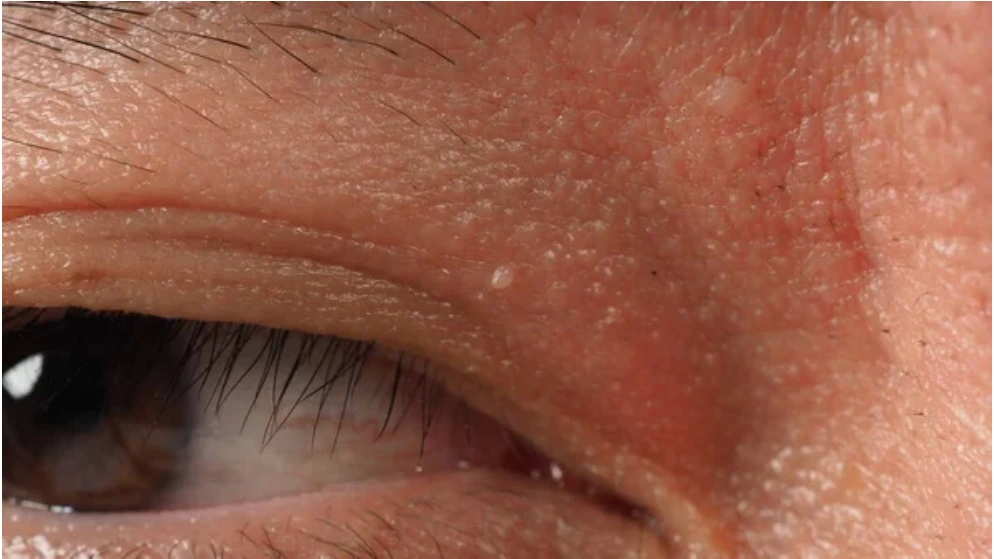
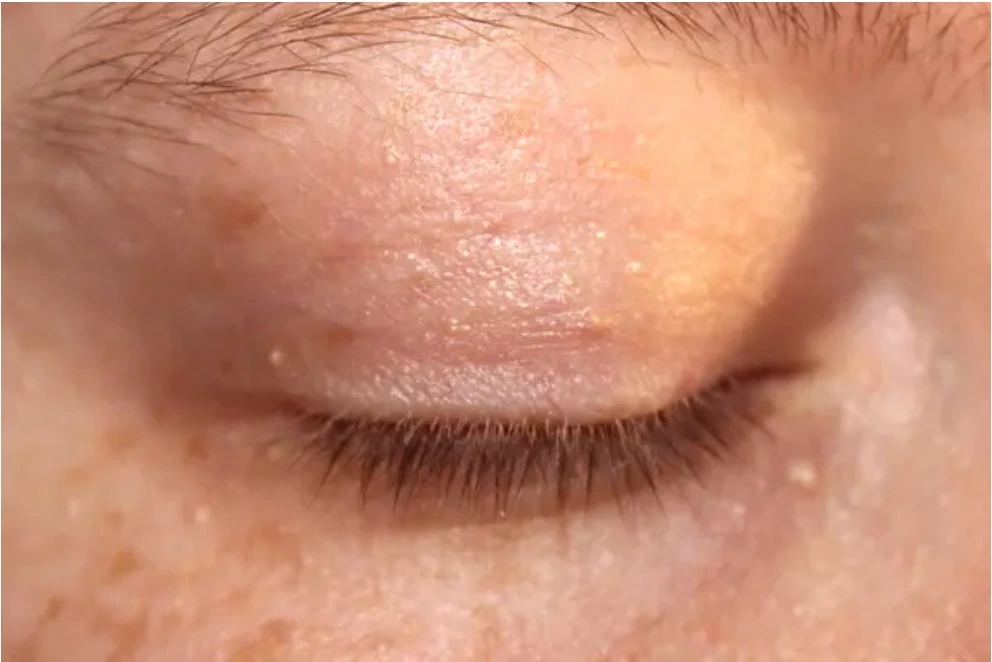
Milia seeds are small, keratin-filled cysts that appear as white bumps on the skin, commonly found around the eyes, nose, and cheeks. For those unfamiliar with these stubborn blemishes and wishing to learn what is milia seed and how to remove them, understanding the cause and effective removal techniques is essential. This common skin imperfection often perplexes individuals due to its persistent nature. Despite its benign characteristics, many seek methods for removal to achieve clearer skin.
Understanding Milia Seeds
To effectively address milia seed removal, it’s crucial to recognise what these tiny cystic formations entail. Milia seeds form when keratin, a protein found in the skin, becomes trapped beneath the skin’s surface. These small nodules, while not painful or dangerous, can cause cosmetic concern. They often develop due to factors such as sun damage, response to skin injury, or an ineffective skincare routine.
Differentiating From Other Skin Issues
Milia seeds are sometimes confused with acne or whiteheads, but it’s important to distinguish between these conditions to ensure appropriate treatment. Unlike acne, milia do not originate from inflamed or infected lesions. This distinction is crucial in deciding the right removal method, as treating them like acne can lead to unnecessary skin irritation without effective results.
Professional Removal Techniques
Dermatologist Procedures
Visiting a dermatologist or aesthetician for milia removal is often recommended, especially for those with multiple or recurring cysts. Professionals typically use a sterilised needle or blade to create a small incision and then extract the milia with minimal discomfort. This precise method ensures that surrounding skin remains unharmed and reduces the risk of scarring or infection.
Laser Treatment
Laser therapy is another option for more stubborn or numerous milia seeds. Utilising focused light energy, specific lasers can target the cysts, allowing for precise removal without damaging nearby skin tissue. This method is especially useful for milia that have not responded to other treatments.
At-Home Removal Options
While professional treatments are effective, some may opt for at-home remedies. However, it is essential to exercise caution to avoid skin damage.
Exfoliation
Regular exfoliation can prevent the formation of new milia by removing dead skin cells and unblocking pores. Consider using products containing gentle exfoliants like glycollic acid or salicylic acid for regular facial cleansing. These acids assist in breaking down keratin barriers gently, making milia less likely to form.
Retinoids
Over-the-counter topical retinoids are another option for preventing and treating milia. By accelerating skin cell turnover, retinoids facilitate the expulsion of keratin from beneath the skin surface. It’s advised to incorporate these gradually into one’s skincare routine to monitor how your skin responds.
Common Myths About Milia Removal
Squeezing
A prevalent misconception is that milia can be squeezed out like acne. This method is ineffective and can lead to skin damage or infection. Milia seeds are too deep beneath the surface for this to work and require a more systematic approach to be removed safely.
Home Extraction Kits
Over-the-counter extraction kits claim to assist in removing milia but pose risks if not used correctly. Improper use can irritate the skin or lead to infection. It’s best to reserve extraction for professionals or incorporate safer at-home methods recommended by dermatologists.
Prevention Tips for Milia Seeds
Preventing milia involves a combination of skincare routine adjustments and lifestyle changes.
Sun Protection
Sun exposure is a significant factor in the formation of milia. Using a broad-spectrum sunscreen daily helps prevent damage that can lead to skin repair responses triggering milia development.
Regular Cleaning and Moisturising
Maintaining a gentle yet effective cleansing routine is vital. Opt for non-comedogenic products that hydrate without blocking pores. By keeping the skin clean and moisturised, you help prevent the build-up of dead skin cells and keratin.
Alternative Therapies
For those seeking alternative treatments, some promising natural remedies may assist in milia management.
Honey
Honey has natural exfoliating properties and can moisturise the skin without clogging pores. Applying honey masks regularly can help loosen the hardened keratin responsible for milia formation.
Essential Oils
Certain essential oils, like tea tree oil, possess antimicrobial properties that can prevent secondary infection if milia cysts open. However, these should be used sparingly due to their potent nature and potential skin sensitivity reactions.
Understanding When to Seek Help
While traditional methods and at-home treatments work for many, there are instances where medical advice is necessary. If milia are widespread, recurrent, or associated with other unusual symptoms, consulting a professional for advice on management and underlying causes is beneficial.
For additional detailed guidance, including a comprehensive list of do’s and don’ts, refer to specialised resources that delve further into what milia seed and how to remove them, which can offer extensive insights into effective removal techniques. Understanding milia seeds fully ensures that individuals take the most informed approach towards management and removal, promoting healthier, smoother skin.
