

Introduction
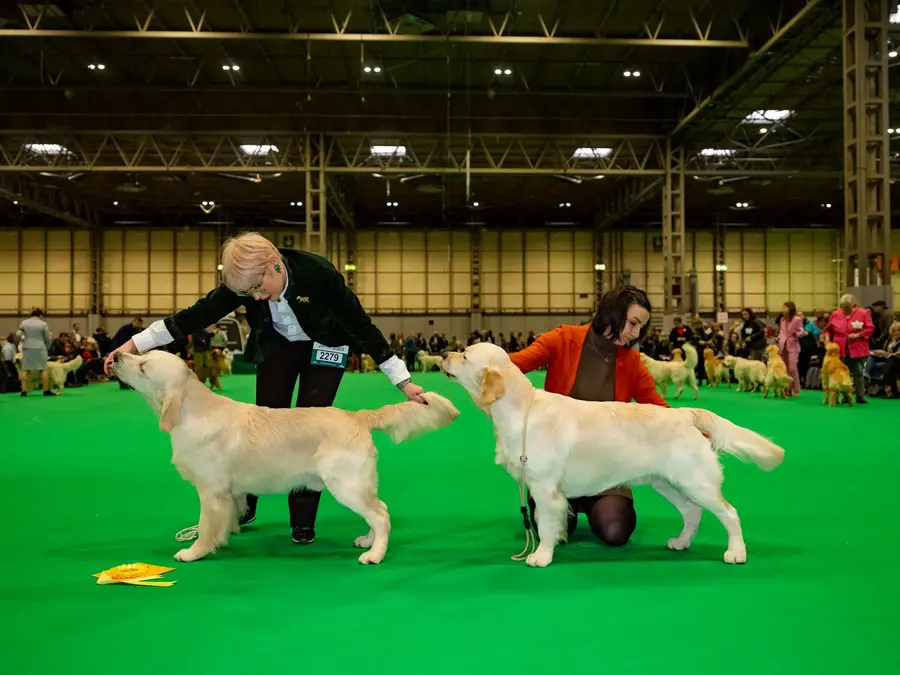
Success in the conformation ring is built long before the judge takes a final look. Countless hours go into conditioning, grooming, training, and perfecting every movement. On show day, handlers want every detail to support their dog’s presentation, including the equipment they use.
Although a dog should always remain the center of attention, the lead plays an important supporting role. The wrong equipment can interfere with movement, distract from the dog’s outline, or make communication between handler and dog less precise. Even small details can influence how confidently a team performs in the ring.
According to the American Kennel Club, all dogs must be presented on an acceptable collar and lead when competing at conformation events, including slip collars, slide leads, and swivel leads designed specifically for the sport. While meeting these requirements is essential, experienced handlers know that selecting the right lead can also improve comfort, control, and overall presentation.
What You’ll Learn
Choosing the right show lead involves much more than appearance. A properly designed lead allows for subtle communication, supports your dog’s natural movement, and reduces physical strain during long weekends of competition. Understanding how weight, balance, materials, and construction affect performance helps handlers make smarter equipment choices that benefit both themselves and their dogs.
The Show Lead as an Essential Ring Tool
Conformation handling is all about highlighting the dog’s structure, movement, and overall presence. A quality show lead should help guide the dog without drawing unnecessary attention. Ideally, it becomes almost invisible, allowing the judge’s focus to remain entirely on the dog.
This is very different from a standard walking leash. Everyday leashes are designed to withstand pulling and typically use thicker materials with larger hardware. While they work well for daily walks, they often look bulky in the show ring and interrupt the clean outline judges are evaluating.
Show leads are designed with a different purpose in mind. They provide light, responsive control while maintaining a clean appearance. Their slimmer profile allows handlers to communicate with subtle movements without distracting from the dog’s natural expression or silhouette.
Using lighter equipment also changes how a dog moves. Removing unnecessary weight and oversized hardware allows the dog to move more naturally while giving handlers greater precision during presentation.
How Equipment Weight and Tension Affect Natural Gait
Finding the right balance between control and comfort is one of the biggest challenges for any handler. If a lead is too heavy or poorly balanced, it can place unwanted pressure on the dog’s neck, encouraging muscle tension that affects overall movement.
Bulky clips, excessive weight, or inconsistent tension may interrupt the dog’s rhythm during movement around the ring. Even small distractions can cause a dog to shorten its stride, lower its head, or lose the smooth, effortless gait judges expect to see.
Research supports these observations. A veterinary study published in Frontiers in Veterinary Science found that restrictive or improperly fitted equipment can reduce shoulder extension by 5 to 10 degrees. Even a slight reduction in shoulder movement can noticeably affect gait and overall presentation.
Because judges carefully evaluate reach, drive, and fluidity of movement, seemingly minor equipment choices can have a visible impact. Lightweight, well-balanced leads help ensure the dog’s natural movement remains the focus.
The Hidden Cost of Handler Fatigue
Long show weekends can be physically demanding for both dogs and handlers. Hours of practice, grooming, stacking, and repeated trips around the ring often lead to hand fatigue, wrist discomfort, and muscle strain, especially when using stiff or poorly designed leads.
As fatigue builds, handlers naturally grip the lead more tightly. That tension travels through the arm and shoulders, changing posture and body language. Dogs are remarkably sensitive to these subtle physical cues and often respond by becoming less relaxed themselves.
Research from Linköping University found that dogs and their handlers can mirror each other’s long-term stress levels. When handlers become tense or uncomfortable, their dogs frequently reflect that stress through body language and performance.
A relaxed handler encourages a relaxed dog. Leads with soft materials, balanced weight, and comfortable handling help reduce unnecessary strain, allowing both members of the team to stay focused throughout the competition.
Essential Features of a High-Quality Show Lead
Once you understand how equipment affects movement and communication, it becomes much easier to choose a lead that performs well in the ring. The best show leads combine durable materials, thoughtful construction, and comfortable handling, giving both handler and dog the confidence to perform naturally.
Many experienced exhibitors rely on professional dog show leads because they are designed with lightweight braided materials, balanced hardware, and smooth handling that support precise control without distracting from the dog’s presentation.
Tightly braided nylon remains one of the most popular choices for conformation leads. It offers excellent durability while maintaining a soft, flexible feel that stays comfortable even after hours of handling. Unlike cheaper flat nylon or rough rope, quality braided materials help reduce friction and minimize hand fatigue during long show days.
Hardware also plays an important role. Lightweight chrome-plated swivel snaps provide a secure connection while preventing the lead from twisting as you move through patterns or make quick turns in the ring. These small design details contribute to smoother handling and more consistent presentation.
Although these leads are designed primarily for conformation events, many handlers also use them for ring practice, obedience training, and introducing young dogs to proper lead handling before they begin competing.
| Feature | Standard Training Leash | Premium Conformation Lead |
| Primary Material | Flat nylon or thick leather | Tightly braided nylon |
| Hardware | Heavy fixed clips | Lightweight chrome-plated swivel snaps |
| Weight | Bulky and highly visible | Lightweight and discreet |
| Best Use | Daily walks and general training | Conformation shows, ring training, and precise handling |
Conclusion
A quality show lead may seem like a small piece of equipment, but it has a meaningful impact on how a dog performs in the ring. The right lead allows handlers to communicate with subtle movements while keeping the judge’s attention focused where it belongs, on the dog.
Choosing equipment that supports natural movement and reduces handler fatigue helps create a smoother, more confident presentation. Combined with consistent training and preparation, the right lead allows both handler and dog to perform comfortably and confidently throughout every competition.
