

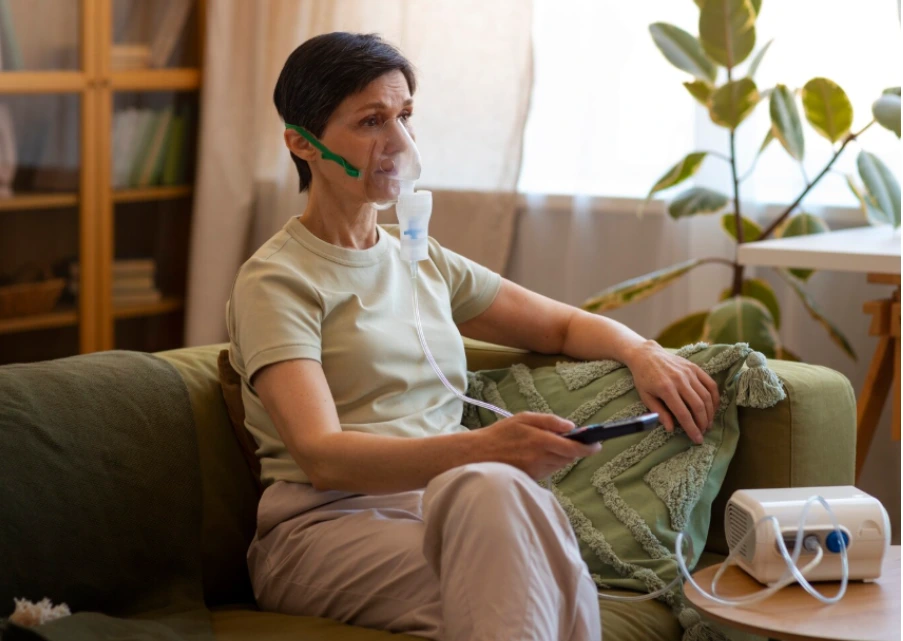
CPAP therapy is an important treatment for many people with obstructive sleep apnoea, but using the equipment throughout the night is not always easy. You might wake up because of a leaking mask, dry mouth, uncomfortable airflow or tubing that gets in the way when you change sleeping positions.
These problems can interrupt sleep and make it harder to use the machine consistently. The good news is that many comfort issues are related to mask fit, equipment condition or the sleeping environment. Identifying the cause helps you find a suitable solution without interfering with your prescribed treatment.
If discomfort continues despite basic adjustments, speak with your CPAP machine provider or sleep clinician. They can assess the equipment and determine whether your treatment needs further review.
Check Whether Your CPAP Mask Fits Properly
An uncomfortable or poorly fitted mask is a common reason people struggle with CPAP therapy. A mask that is too tight can press against the nose, cheeks or forehead, while a loose fit might allow air to escape during sleep.
Start by checking the mask according to the manufacturer’s fitting instructions. The cushion should sit in the correct position and create a secure seal without excessive pressure. Tightening the straps too much is not necessarily the answer because it can distort the cushion and increase discomfort.
Also consider whether the mask style suits your sleeping habits. Nasal masks cover the nose, while nasal pillows sit at the entrance of the nostrils. Full-face masks cover both the nose and mouth. Each design offers a different fit, so a style that works well for another person might not suit you.
If the mask repeatedly causes pressure marks, leaks or soreness, ask your provider about trying a different size or design.
Address Dryness in Your Nose and Mouth
Dryness can make CPAP therapy uncomfortable, particularly when you wake up with a sore throat, irritated nasal passages or a dry mouth. Airflow, room conditions and mouth breathing can contribute to the problem.
If your machine includes a humidifier, check whether it is being used correctly. Heated humidification adds moisture to the airflow and may help reduce dryness for some users. The humidifier chamber should be filled and maintained according to the manufacturer’s instructions.
Some machines also offer heated tubing to help manage condensation. This can be useful if moisture collects inside the hose or mask during the night.
Persistent dry mouth might be associated with air escaping through the mouth while using a nasal mask. Discuss this with your CPAP provider rather than relying on an improvised solution. They can assess the mask fit and advise whether another design or adjustment is appropriate.
Deal with Air Leaks During Sleep
Air leaks can occur when the mask shifts, the cushion becomes worn, or the headgear no longer holds the mask securely. They might produce a noticeable airflow around the eyes or cheeks and sometimes create noise that disturbs sleep.
Before bedtime, check that the cushion is clean and positioned correctly. Facial oils, dirt and worn silicone can affect the seal. Follow the recommended cleaning schedule and replace the cushion when it shows signs of deterioration.
Your sleeping position can also affect the mask. If you sleep on your side, the pillow might push against the mask and cause it to move. Try adjusting your pillow position or ask your provider whether a CPAP-compatible pillow would help.
If the machine repeatedly reports excessive leaks, review the information with your provider. Persistent leaks can affect treatment performance, so they should not be ignored.
Manage Pressure Discomfort
Some users find the airflow uncomfortable, particularly when they first start treatment. You might feel that the pressure is too strong when trying to breathe out or that the machine takes time to feel comfortable when you switch it on.
Many CPAP machines include a ramp function that starts at a lower pressure and gradually increases towards the prescribed level. This feature is designed to make it easier to fall asleep. Some models also offer pressure relief during exhalation.
These functions vary between machines and should be used according to your treatment instructions. Do not change the prescribed pressure range yourself. If the airflow feels uncomfortable or you regularly wake up because of pressure changes, contact your sleep clinician or equipment provider for guidance.
They can review your experience and determine whether the machine settings, mask or treatment approach need attention.
Prevent the Tubing from Getting in Your Way
A CPAP hose that pulls on the mask or becomes tangled around your body can interrupt sleep. This is particularly frustrating if you frequently change positions during the night.
Place the machine on a stable surface close enough for the tubing to reach without stretching. Arrange the hose so it has enough slack for movement but does not hang where it might pull the mask.
A hose holder can help keep the tubing above the bed and reduce contact with your pillow or body. Some users also find that positioning the hose over the headboard makes turning from side to side easier.
If you use heated tubing, make sure it is connected and positioned according to the manufacturer’s instructions. Avoid bending or compressing the hose, as this can interfere with airflow.
Review Your Sleeping Position
Your sleeping position can influence how comfortable the mask feels. Side sleepers might experience pressure against the cushion, while people who sleep on their backs may find that the hose or headgear needs different positioning.
Try adjusting your pillow to reduce pressure around the mask. A pillow with cut-outs for CPAP equipment is another option, although it is not necessary for everyone.
Avoid making major changes to your sleep position solely to accommodate an uncomfortable mask without considering your overall treatment needs. If a particular position repeatedly causes leaks or discomfort, discuss it with your provider.
Keep the Machine and Accessories in Good Condition
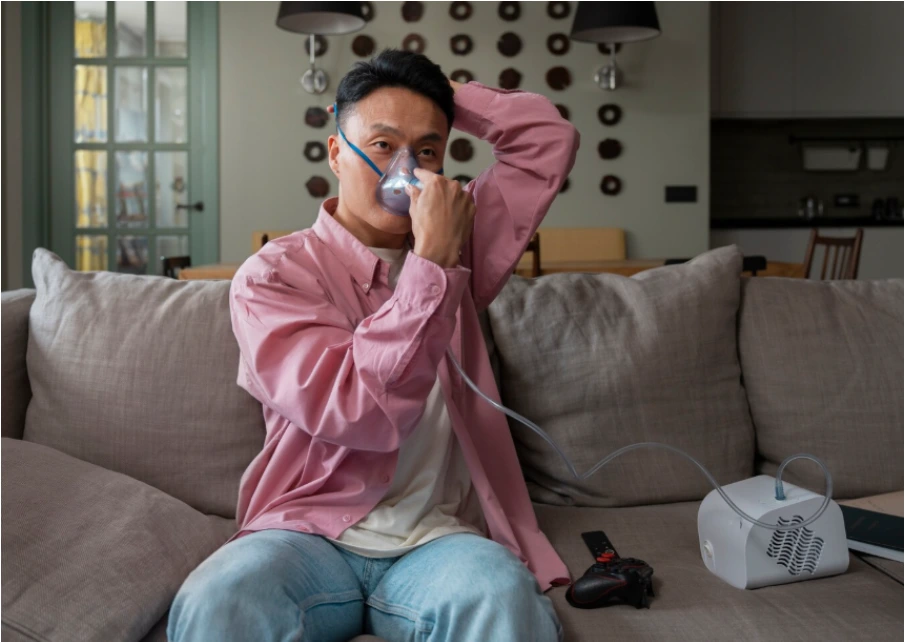
Dirty or worn equipment can affect comfort and performance. The mask cushion, tubing, humidifier chamber and filters all require routine care.
Clean the components according to the manufacturer’s instructions and allow washable parts to dry completely before reassembly. Check the tubing for cracks, the mask for damaged seals and the filters for dirt or blockage.
Use only cleaning products approved for your equipment. Avoid harsh chemicals and unapproved cleaning devices that could damage components. Replace consumable parts at the recommended intervals or sooner if they become damaged.
Regular maintenance also helps identify small problems before they become more disruptive.
Know When to Contact Your Sleep Care Provider
Occasional discomfort does not always mean your CPAP treatment is unsuitable. However, recurring problems deserve attention, particularly if they prevent you from using the machine for the prescribed duration.
Contact your provider if you experience persistent mask leaks, skin irritation, nasal congestion, difficulty exhaling or repeated awakenings caused by the airflow. They can check the equipment and determine whether further assessment is needed.
If you experience worsening symptoms or continue to feel excessively sleepy during the day despite using your machine, discuss this with your sleep clinician. Do not stop treatment or alter pressure settings without professional guidance.
Final Thoughts
A CPAP machine should support your sleep treatment without creating unnecessary discomfort. Problems such as mask leaks, dryness, pressure discomfort and tangled tubing often have practical solutions, but the right approach depends on what is causing the issue.
Check your equipment regularly, follow the manufacturer’s care instructions and discuss persistent problems with your provider. If treatment remains difficult to tolerate, your sleep clinician can review your experience and help identify a safer, more comfortable way to continue therapy.
