

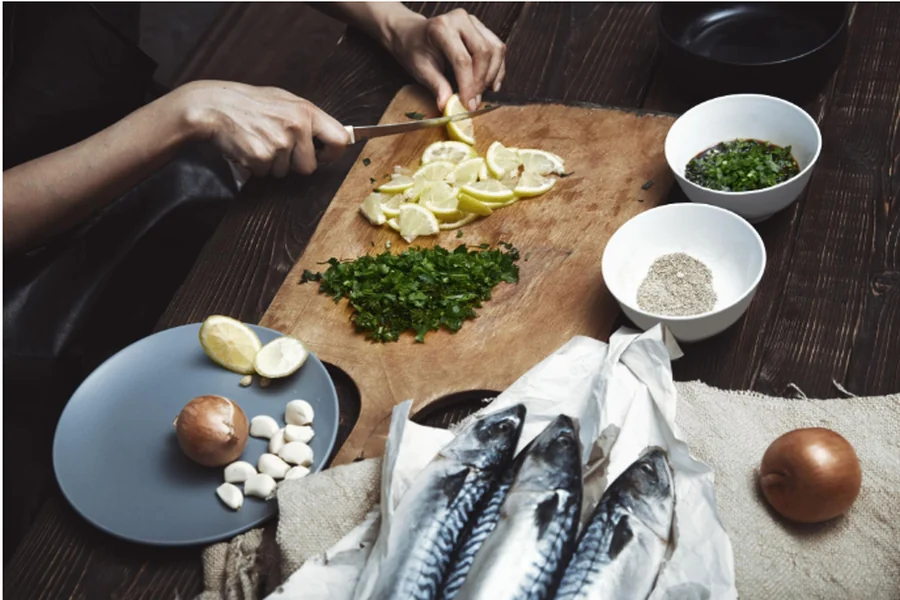
Creating healthier meals at home starts with one simple shift: choosing better ingredients. Instead of relying on heavily processed foods, more people are turning toward whole, fresh options that offer both nutritional value and better flavor. This approach not only supports long-term health but also makes everyday cooking more satisfying and intentional.
Whole ingredients provide a foundation for balanced meals. Fresh vegetables, lean proteins, and natural fats work together to nourish the body without unnecessary additives. When meals are built from scratch using quality ingredients, it becomes easier to control portions, reduce excess sodium, and avoid hidden sugars commonly found in packaged foods.
Protein sources, in particular, play a major role in shaping a healthy diet. While traditional meats remain popular, many are now exploring lighter alternatives that are easier to digest and more nutrient-dense. Seafood stands out as one of the best options, offering clean protein along with essential vitamins and minerals that support overall wellness.
Clams are a great example of how a single ingredient can deliver both nutrition and versatility in the kitchen. They are naturally rich in iron, vitamin B12, and important minerals that support energy levels and immune function. Because they are highly sensitive to freshness, learning how to choose fresh clams for cooking becomes an important step in ensuring both safety and flavor when preparing meals at home.
The Value of Fresh Ingredients in Everyday Cooking
Fresh ingredients have a direct impact on both taste and nutrition. Unlike processed foods, they retain their natural flavors and nutrients, allowing dishes to shine without the need for excessive seasoning or additives. This makes meals feel lighter while still being satisfying.
When cooking with fresh components, even simple recipes can feel elevated. A handful of herbs, a drizzle of oil, and proper cooking techniques can transform basic ingredients into something memorable. This simplicity is what makes whole-food cooking both approachable and sustainable over time.
In addition, fresh ingredients encourage better eating habits. When meals are prepared with intention, people are more likely to slow down, enjoy their food, and make mindful choices about what they consume.
Understanding Quality and Freshness
Knowing how to evaluate ingredient quality is an essential skill for anyone looking to improve their cooking. Freshness affects not only flavor but also safety, especially when working with delicate foods like seafood.
Visual cues, texture, and smell all play a role in determining quality. Ingredients should look vibrant, feel firm, and have a clean, natural aroma. Paying attention to these details helps prevent common mistakes and ensures better results in the kitchen.
Storage is equally important. Keeping ingredients at the right temperature and using them within an appropriate timeframe preserves their quality. Proper handling reduces waste and ensures that meals remain both safe and enjoyable.
Cooking Methods That Preserve Nutrition
The way food is cooked can either enhance or diminish its nutritional value. Gentle cooking methods such as steaming, sautéing, and light grilling help retain nutrients while bringing out natural flavors. These techniques are especially effective when working with fresh ingredients that do not require heavy processing.
Overcooking, on the other hand, can lead to nutrient loss and a decline in texture. This is particularly noticeable with seafood, which can quickly become tough or dry if not handled carefully. Timing and temperature control are key factors in achieving the best results.
Using minimal ingredients and focusing on technique allows the natural qualities of the food to stand out. This approach supports healthier eating while still delivering satisfying meals.
Building Confidence in the Kitchen
Confidence in cooking develops through practice and understanding. When people become familiar with how ingredients behave and how to prepare them properly, they are more likely to experiment and try new dishes.
Starting with simple meals and gradually building skills creates a strong foundation. Over time, this leads to more creativity and flexibility in the kitchen. It also reduces reliance on takeout or processed foods, which often lack the same nutritional benefits.
Cooking becomes less of a chore and more of a rewarding activity. The ability to prepare fresh, wholesome meals at home provides a sense of control and accomplishment that extends beyond the kitchen.
Creating Long-Term Healthy Habits
Healthy eating is not about perfection but consistency. Choosing fresh, whole ingredients and preparing them with care leads to better habits over time. Small changes, such as incorporating more natural foods into daily meals, can have a significant impact on overall well-being.
Variety also plays an important role. Rotating different ingredients keeps meals interesting and ensures a broader range of nutrients. This prevents boredom and supports a more balanced diet.
Ultimately, building better meals is about making thoughtful choices. By focusing on freshness, quality, and simple cooking techniques, anyone can create meals that are both nutritious and enjoyable. This approach not only improves physical health but also fosters a deeper connection to the food we eat every day.
