

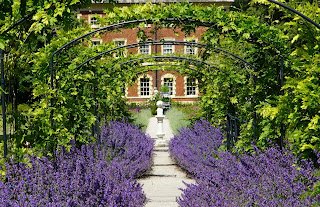
Hospitality designers have understood this principle for decades. Luxury hotels carefully choreograph the journey from the street to the lobby because they know that first impressions influence how people perceive the entire property. Homeowners can apply the same thinking on a residential scale, transforming an ordinary walkway into a hotel-worthy experience.
Think Beyond a Walkway
A successful entry path isn’t simply about getting from point A to point B. Instead, it guides movement, creates anticipation, and encourages visitors to slow down. Landscape architects often describe this as creating a sequence of moments rather than a single destination.
The shape of the path plays an important role. Gentle curves naturally invite exploration, while perfectly straight walkways create a more formal, architectural appearance. Width also influences perception. A generously sized path allows two people to comfortably walk side by side, making arrivals feel more social and inviting.
Materials That Elevate the Experience
The choice of paving material has an immediate impact on how visitors perceive a home. Concrete remains a practical option, but premium materials introduce depth and craftsmanship that become part of the property’s identity.
Natural stone continues to be one of the most desirable choices because every piece carries unique veining, color variation, and texture. These characteristics help landscapes mature gracefully over time rather than appearing dated after just a few seasons.
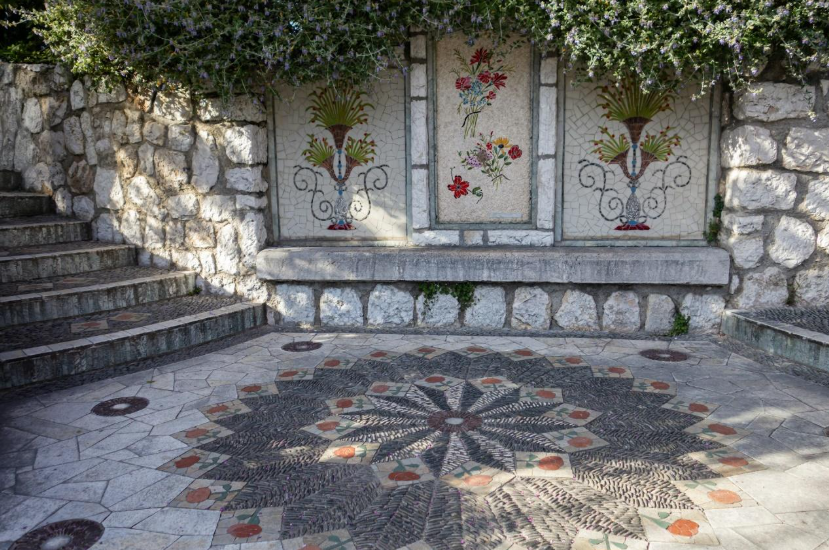
For homeowners looking to create a more artistic arrival, a mosaic path is a perfect choice. Carefully arranged patterns can subtly define direction, create visual rhythm, and establish a distinctive personality that reflects the home’s architecture.
Designing for the Senses
Fragrance is one of the most powerful yet overlooked design tools. Planting lavender, rosemary, jasmine, or seasonal flowering shrubs near the walkway creates a sensory cue that guests often associate with comfort and relaxation.
Lighting has an equally transformative effect. Rather than flooding the entire path with bright fixtures, layered illumination creates atmosphere while improving safety. Low-level path lights, uplighting on specimen trees, and soft illumination near the entrance create visual depth after sunset.
Create Moments of Discovery
One characteristic shared by many luxury resorts and boutique hotels is the careful pacing of the arrival experience. Rather than revealing everything at once, designers create small moments that gradually unfold.
Residential landscapes benefit from the same approach. A flowering border around a corner, a decorative planter marking a transition, or a carefully framed view toward the front door encourages visitors to engage with the landscape instead of simply passing through it.
Invest in Craftsmanship
Homeowners are increasingly recognizing the financial value of thoughtful exterior improvements. According to the National Association of Realtors and the National Association of Landscape Professionals, professionally executed landscape enhancements can significantly improve buyer perception while increasing overall property appeal.
Quality craftsmanship matters just as much as material selection. Precisely aligned joints, durable installation methods, and carefully finished edges create a polished appearance that remains attractive for years. Decorative details can further reinforce this sense of permanence. Incorporating natural stone mosaic tiles into entry accents, borders, or landing areas introduces texture and artisanal character while maintaining the timeless appeal of genuine stone.
